Showing posts with label MERCEDES BENZ. Show all posts

Thursday, October 28, 2010

Mercedes Benz Cars Pictures and History

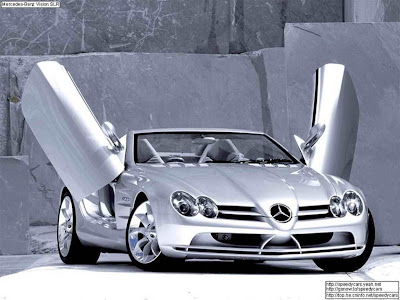
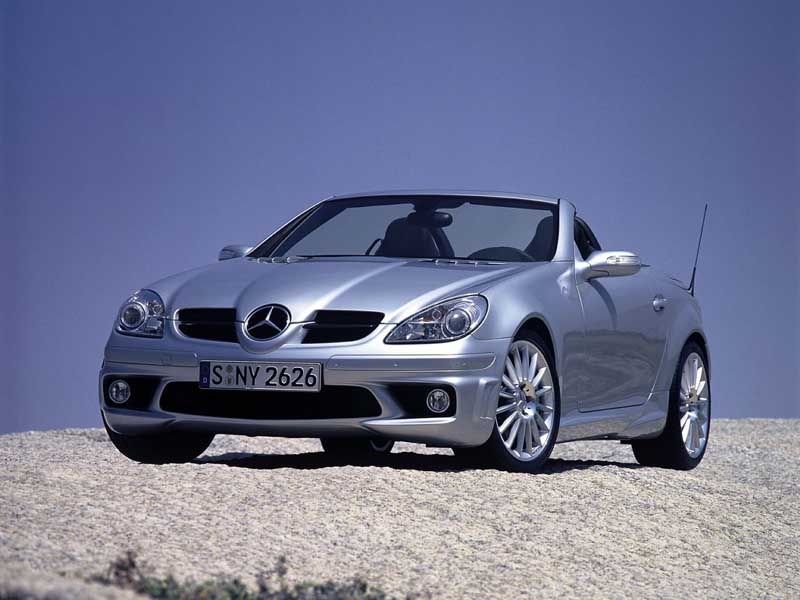
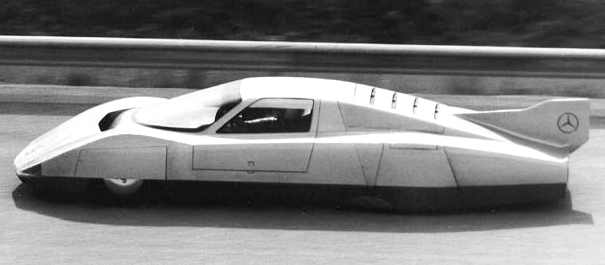
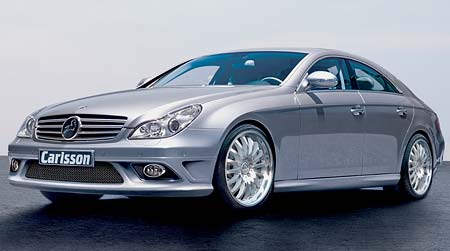
Since its inception, Mercedes-Benz had a reputation for quality and durability. Objective measures looking at passenger vehicles such as JD Power surveys showed a decline in the reputation of this approach in the 1990s and early 2000s. In mid-2005, Mercedes returned temporarily to the industry average for initial quality, a measure of problems after the first 90 days of ownership, according to JD Power. JD Power's Initial Quality Survey for the first quarter of 2007, Mercedes showed dramatic improvement in the escalating 25-5 th place, surpassing quality leader Toyota and earning several awards for its models.

Mercedes Benz
Mercedes Benz
Mercedes Benz Picture
Mercedes Benz

Mercedes Benz
Mercedes Benz
Mercedes Benz
For 2008, Mercedes-Benz initial improvement in the rating for another brand, now in fourth place. In addition to this distinction, which also received the Quality Award for its Platinum Plant Mercedes Sindelfingen, Germany assembly plant. Since 2009, Consumer Reports of the United States has changed its reliability ratings for various Mercedes-Benz vehicles to the "average", and recommending the E-Class and S Class
Mercedes Benz
Mercedes Benz

Mercedes Benz
Mercedes Benz
Mercedes Benz
Mercedes Benz
Mercedes Benz
Mercedes Benz

Friday, October 15, 2010

Wednesday, September 29, 2010

Cheap Car Mercedes Benz S Class


Cheap Car Mercedes Benz S Class. Mercedes Posters, Mercedes Benz S Class Wallpaper, Mercedes Benz Picture

Saturday, August 21, 2010

Future Cars | Mercedes-Benz Presents Cyborg Cars

Future Cars
Ever imagine what kind of vehicles suitable for young children more adventurous in the next 2040 years? Mercedes-Benz tried to give its image, through the car cyborg?

Future cars this German manufacturer called Cyborg Sensation Vehicle (CSV), the work of the designer of China, Derek Chik Kin Ng.

Indeed this car is still far from production, Mercedes-Benz plans to pound the CSV-dealer dealership on 2040 next year, with the young adventurer segmentation targeting professionals, which of course filled with such dynamic designs.

Inspired by the concept of Mercedes-Benz F400, CSV is a very radical. Look at all four wheels, which even makes us wonder where is located the rubber round it.

Designers also wanted to give a sense of organic vehicles, so that the muscle fibers that flanked each side of the car, pinned neatly slipped into a hidden frame system.

The result is a design that takes the true adventurer DNA from a Mercedes-Benz evolution into an organic thing that could sped on the highway.

Tuesday, June 29, 2010

Mercedes ML63 AMG Performance Studio

Mercedes ML63 AMG Performance Studio, 2009


The Mercedes-Benz ML63 AMG Performance Studio, the AMG Performance Studio, opened in 2006. The very special M-Class features a combination of uniquely detailed fittings typical of the vehicles designed in the AMG Performance Studio.

Matching its "metallic Peridot brown" exterior paintwork, the Mercedes-Benz ML63 AMG Performance Studio features 21" high-sheen AMG light alloy wheels with a double spoke design, painted the same colour as the car. Wide-base 295/35 R 21 tyres ensure the necessary road surface contact. The high-gloss chrome trim on the upper body edges at window level is another eye-catching detail.

The extraordinary character of this unique M-Class vehicle is just as evident in the interior. The full nappa leather upholstery with a "porcelain" coloured diamond design creates an ambience of luxury. It covers the AMG sports seats, the rear seats and the door linings. The AMG emblem embossed on the front headrests points to the vehicle's exclusive origin, manufactured in the AMG Performance Studio in Affalterbach. The lower part of the dashboard, the front and back centre consoles and the backs of the front seats are all clad in glossy, porcelain-coloured nappa leather. A clear contrast is formed by the black cording, as well as the upper part of the dashboard and the door linings clad in black nappa leather. The entire roof lining, including the grab handles, sun visors and rear window frame, is lined with charcoal alcantara. The AMG sports steering wheel is black with porcelain-coloured cording.

Access strips with white luminous AMG lettering, AMG wood trim in high-gloss black piano lacquer and black AMG floor mats with porcelain-coloured nappa leather edging add further highlights to the exquisitely designed interior of the Mercedes-Benz ML63 AMG Performance Studio.

Both the Mercedes-Benz ML63 AMG Performance Studio and the Mercedes-Benz ML63 AMG 10th Anniversary demonstrate the wide range of possibilities which the AMG Performance Studio draws from to fulfil the most individual wishes of its customers. Customised modifications, e.g. to AMG sports suspensions, AMG high-performance brake systems, AMG wheel/tyre combinations, locking differentials, or individual interior fittings are carried out by the highly qualified experts at Affalterbach. In the design and construction, they draw on decades of experience in making high-performance cars, as well as comprehensive expertise from the world of motor sports.

Monday, June 28, 2010

Mercedes Benz Cars Pictures and History

Since its inception, Mercedes-Benz had a reputation for quality and durability. Objective measures looking at passenger vehicles such as JD Power surveys showed a decline in the reputation of this approach in the 1990s and early 2000s. In mid-2005, Mercedes returned temporarily to the industry average for initial quality, a measure of problems after the first 90 days of ownership, according to JD Power. JD Power's Initial Quality Survey for the first quarter of 2007, Mercedes showed dramatic improvement in the escalating 25-5 th place, surpassing quality leader Toyota and earning several awards for its models.

Mercedes Benz
Mercedes Benz
Mercedes Benz Picture
Mercedes Benz

Mercedes Benz
Mercedes Benz
Mercedes Benz
For 2008, Mercedes-Benz initial improvement in the rating for another brand, now in fourth place. In addition to this distinction, which also received the Quality Award for its Platinum Plant Mercedes Sindelfingen, Germany assembly plant. Since 2009, Consumer Reports of the United States has changed its reliability ratings for various Mercedes-Benz vehicles to the "average", and recommending the E-Class and S Class
Mercedes Benz
Mercedes Benz

Mercedes Benz
Mercedes Benz
Mercedes Benz
Mercedes Benz
Mercedes Benz
Mercedes Benz

Mercedes ML63 AMG 10th Anniversary, 2009

Mercedes ML63 AMG 10th Anniversary, 2009


The exclusive Mercedes-Benz ML63 AMG 10th Anniversary is the 375-kW/510-hp top M-Class model fascinating with its striking appearance and extraordinary standard features. With the ML63 AMG 10th Anniversary, Mercedes AMG is celebrating ten years of high-performance SUVs. The Mercedes-Benz ML55 AMG with a 255-kW/347-hp AMG 5.5-l V8 engine, launched in 1999, is considered the trendsetter and founder of an entire vehicle segment.

The Mercedes-Benz ML63 AMG 10th Anniversary jubilee model was developed in the AMG Performance Studio and showcases AMG's expertise in catering to the wishes of individual customers. The experts at the AMG Performance Studio were also responsible for developing the new Mercedes-Benz SL65 AMG Black Series, as well as Official F1™ Safety Car and Official F1 Medical Car.

The newly designed front end dominates the extraordinary appearance of the Mercedes-Benz ML63 AMG 10th Anniversary: the bonnet with power domes catches the eye, as does the radiator grille with fins painted Himalaya grey. A matching Himalaya grey underseal and fog lamp fittings form a delightful contrast to the exterior paintwork in metallic obsidian black, metallic iridium silver and calcite white. Shaded Bi-Xenon headlights add the finishing touch to the front view.

From the side, the exclusive 21" AMG light alloy wheels with a five-spoke design commands attention: the combination of Himalaya grey paintwork and the high-sheen surface creates a lasting impression. The 10 x 21" AMG light alloy wheels are fitted all round with size 295/35 R 21 wide-base tyres. On the rear end of the Mercedes-Benz ML63 AMG 10th Anniversary, the underseal in Himalaya grey mirrors the design of the front end.

Exquisite two-tone nappa leather upholstery in the interior
The AMG sports seats can be adjusted electronically, and feature a multi-contour function and seat heating. The AMG sports steering wheel is also two-tone, designed to match the interior colour scheme. Perforated leather covering the grip area ensures optimum handling, and the AMG switch paddles enable manual gear changing. The exclusive tone is emphasised not just by the upper part of the dashboard clad in design leather and the black roof lining, but also the charcoal poplar wood trim.

Mercedes-Benz ML55 AMG: Worldwide trendsetter and first ever high-performance SUV

With the new ML63 AMG 10th Anniversary, Mercedes AMG GmbH is celebrating ten years of AMG high-performance SUVs. The ML55 AMG, the high-performing top model from the popular first generation of M-Class vehicles, was launched in September 1999 at the International Motor Show in Frankfurt on Main. As the founder of the new "high-performance SUV" segment, the ML55 AMG quickly became a best seller in the AMG range of models. With a maximum output of 255 kW/347 hp, an engine displacement of 5.5 litres and eight cylinders, the ML55 AMG offered a level of driving performance previously unthinkable in this segment: it could accelerate from 0 to 100 km/h in just 6.8 seconds, and had a top speed of 235 km/h.

Mercedes ML63 AMG 10th Anniversary, 2009

Mercedes ML63 AMG 10th Anniversary, 2009


The exclusive Mercedes-Benz ML63 AMG 10th Anniversary is the 375-kW/510-hp top M-Class model fascinating with its striking appearance and extraordinary standard features. With the ML63 AMG 10th Anniversary, Mercedes AMG is celebrating ten years of high-performance SUVs. The Mercedes-Benz ML55 AMG with a 255-kW/347-hp AMG 5.5-l V8 engine, launched in 1999, is considered the trendsetter and founder of an entire vehicle segment.

The Mercedes-Benz ML63 AMG 10th Anniversary jubilee model was developed in the AMG Performance Studio and showcases AMG's expertise in catering to the wishes of individual customers. The experts at the AMG Performance Studio were also responsible for developing the new Mercedes-Benz SL65 AMG Black Series, as well as Official F1™ Safety Car and Official F1 Medical Car.

The newly designed front end dominates the extraordinary appearance of the Mercedes-Benz ML63 AMG 10th Anniversary: the bonnet with power domes catches the eye, as does the radiator grille with fins painted Himalaya grey. A matching Himalaya grey underseal and fog lamp fittings form a delightful contrast to the exterior paintwork in metallic obsidian black, metallic iridium silver and calcite white. Shaded Bi-Xenon headlights add the finishing touch to the front view.

From the side, the exclusive 21" AMG light alloy wheels with a five-spoke design commands attention: the combination of Himalaya grey paintwork and the high-sheen surface creates a lasting impression. The 10 x 21" AMG light alloy wheels are fitted all round with size 295/35 R 21 wide-base tyres. On the rear end of the Mercedes-Benz ML63 AMG 10th Anniversary, the underseal in Himalaya grey mirrors the design of the front end.

Exquisite two-tone nappa leather upholstery in the interior
The AMG sports seats can be adjusted electronically, and feature a multi-contour function and seat heating. The AMG sports steering wheel is also two-tone, designed to match the interior colour scheme. Perforated leather covering the grip area ensures optimum handling, and the AMG switch paddles enable manual gear changing. The exclusive tone is emphasised not just by the upper part of the dashboard clad in design leather and the black roof lining, but also the charcoal poplar wood trim.

Mercedes-Benz ML55 AMG: Worldwide trendsetter and first ever high-performance SUV

With the new ML63 AMG 10th Anniversary, Mercedes AMG GmbH is celebrating ten years of AMG high-performance SUVs. The ML55 AMG, the high-performing top model from the popular first generation of M-Class vehicles, was launched in September 1999 at the International Motor Show in Frankfurt on Main. As the founder of the new "high-performance SUV" segment, the ML55 AMG quickly became a best seller in the AMG range of models. With a maximum output of 255 kW/347 hp, an engine displacement of 5.5 litres and eight cylinders, the ML55 AMG offered a level of driving performance previously unthinkable in this segment: it could accelerate from 0 to 100 km/h in just 6.8 seconds, and had a top speed of 235 km/h.

Wednesday, March 24, 2010

Mercedes A-Class Coupe

Mercedes A-Class Coupe 2009

The Mercedes-Benz A-Class is among the bestsellers in the Mercedes-Benz passenger car range. Now the latest generation of this compact car is showing itself to be more youthful, attractive and environmentally compatible than ever before. This is ensured by a completely revised design, high-grade appointments and new technical developments which further improve safety, comfort and economy. A convenient ECO start-stop function which reduces urban petrol consumption of these BlueEFFICIENCY vehicles by up to nine percent is now available for the high-volume models A 150 and A 170.

Lines: ELEGANCE and AVANTGARDE with an even more pronounced styling emphasis
Interior: upgraded with larger stowage compartments and new fabrics
Mercedes designers paid particular attention to enhanced value when redesigning the interior, choosing new, high-grade upholstery fabrics and door linings. In the ELEGANCE and AVANTGARDE lines the seats are upholstered in an attractive combination of ARTICO man-made leather and fabric, which is available in three colours.

Fuel economy: the A 160 CDI BlueEFFICIENCY consumes 4.5 litres
With fuel consumption figures between 4.9 and 8.1 litres per 100 kilometres, the new-generation A-Class is a model of fuel economy. The sum of these measures achieves a fuel saving of 0.4 litres, which means that the A 160 CDI BlueEFFICIENCY has an NEDC consumption of just 4.5 litres per 100 kilometres. As a result the CO2 emissions of the 60 kW/82 hp Coupé are 119 grams per kilometre.

The BlueEFFICIENCY is an aerodynamically optimised radiator grille. This has a closed-off interior face to reduce the airflow to the engine, though the CDI engine is still cooled effectively at all times. The suspension has also been lowered by ten millimetres to reduce the drag coefficient even further.
Start-stop function: the engine switches off automatically when idling
In the case of the petrol engines, Mercedes engineers have achieved NEDC fuel savings of up to 0.4 litres per 100 kilometres with a newly developed ECO start-stop function. From autumn 2008 this system will be available for the high-volume models A 150 and A 170 on request. It automatically switches off the engine when the driver shifts the manual transmission to neutral at a low speed while applying the brakes. If the conditions for engine switch-off are met, the driver is informed by a special display in the instrument cluster.

Economy: nine percent lower fuel consumption in city traffic
With the ECO start-stop function the NEDC fuel consumption is reduced by a further 6.5 percent or so. The A 150 BlueEFFICIENCY (70 kW/95 hp) absolves a measured test journey with a fuel consumption of 5.8 litres per 100 kilometres, which corresponds to 139 grams of carbon dioxide per kilometre.

Ecology: the Mercedes-Benz A-Class is the first compact car with an environmental certificate
Practical trials such as this are of immense importance to Mercedes-Benz when it comes to evaluating new technologies. The environmental compatibility of vehicles is not only assessed on the basis of standardised emissions and fuel consumption measurement, but also taking into account the entire vehicle lifecycle - from production and many years of operation to eventual recycling and disposal. An analysis of more than 40,000 individual processes provides an overall picture and enables the development work to be objectively assessed.

Safety: flashing brake lights warn following traffic
The adaptive brake light introduces technology from the luxury class into the compact segment, which therefore benefits from a further accident prevention system as a standard feature. Under emergency braking from a speed exceeding 50 km/h, the brake lights flash rapidly to warn following traffic, enabling drivers to respond quicker and prevent a collision.

Parking assist: ultrasound and electric steering for easier parking
Once a suitable parking space has been found, an arrow appears in the display to inform the driver on which side of the road the parking space is located. If he engages reverse gear, acknowledges the display message and accelerates, active parking assist takes over the steering and automatically manoeuvres the car into the parking space. The driver only needs to accelerate and operate the brakes; the ultrasonic sensors of the PARKTRONIC system assist him in this by keeping him informed about the distance to the vehicle in front of and behind the Mercedes-Benz A-Class.

Active parking assist uses a total of ten ultrasonic sensors in the front and rear bumpers, as well as an electronic control unit which processes the sensor signals and calculates the best possible entry path into the parking space. This information is fed to the electromechanical power steering, whose electric motor performs the necessary steering movements of its own accord. The parking space only needs to be 1.30 metres longer than the Mercedes-Benz A-Class for this automatic parking procedure to take place - an indication of the great precision of this technology.

Mercedes A-Class

Mercedes A-Class 2009

With more than 500,000 units produced within three and a half years, the Mercedes-Benz A-Class is among the bestsellers in the Mercedes-Benz passenger car range. Now the latest generation of this compact car is showing itself to be more youthful, attractive and environmentally compatible than ever before. This is ensured by a completely revised design, high-grade appointments and new technical developments which further improve safety, comfort and economy. A convenient ECO start-stop function which reduces urban petrol consumption of these BlueEFFICIENCY vehicles by up to nine percent is now available for the high-volume models A 150 and A 170. For the three-door A 160 CDI Mercedes-Benz has developed an additional BlueEFFICIENCY package which lowers the fuel consumption of the Coupé by more than eight percent, to 4.5 litres per 100 kilometres. Independent experts have acknowledged these great advances in the environmental field with an internationally valid environmental certificate, which the Mercedes-Benz A-Class is the world's first compact car to achieve.

When viewed from the side the different lines in the Mercedes-Benz A-Class are distinguished by wheel designs. While the basic model is equipped with 15-inch wheels and seven-spoke wheel embellishers as standard, ELEGANCE and AVANTGARDE are fitted with individually designed 16-inch light-alloy wheels. The new, larger exterior mirror housings and door handles are now painted in the vehicle colour for all model variants. The previous side rubbing strips have been replaced by discreet chrome trim strips, which provide additional visual highlights in the ELEGANCE and AVANTGARDE models.

The rear end of the Mercedes-Benz A-Class is dominated by a modified bumper and newly designed rear light clusters which extend well into the vehicle flanks. Both these features make the body appear wider and therefore more imposing. In the ELEGANCE and AVANTGARDE models the rear bumper is embellished with additional, reflector-look trim strips and chrome inserts. The new, ergonomically improved tailgate handle is chrome-plated in both lines, as is the oval exhaust tailpipe.

Interior: upgraded with larger stowage compartments and new fabrics
Mercedes designers paid particular attention to enhanced value when redesigning the interior, choosing new, high-grade upholstery fabrics and door linings. In the ELEGANCE and AVANTGARDE lines the seats are upholstered in an attractive combination of ARTICO man-made leather and fabric, which is available in three colours. In addition new decorative trim of smoke-grey, diagonally brushed aluminium enhances the interior of the AVANTGARDE line, while the dignified aura of the ELEGANCE models is heightened by wood trim. All variants of the Mercedes-Benz A-Class share a larger stowage compartment in the centre console and a newly designed cupholder between the front seats.

Fuel economy: the A 160 CDI BlueEFFICIENCY consumes 4.5 litres
With fuel consumption figures between 4.9 and 8.1 litres per 100 kilometres, the new-generation A-Class is a model of fuel economy. Thanks to detailed improvements, the fuel consumption of the state-of-the-art direct-injection diesel engines has been reduced by more than eight percent or 0.5 litres per 100 kilometres compared to the preceding series. From autumn 2008 Mercedes-Benz will introduce a standard BlueEFFICIENCY package for the three-door A 160 CDI with a manual transmission, with further improvements in engine efficiency, aerodynamics, rolling resistance, energy management and weight. The sum of these measures achieves a fuel saving of 0.4 litres, which means that the A 160 CDI BlueEFFICIENCY has an NEDC consumption of just 4.5 litres per 100 kilometres. As a result the CO2 emissions of the 60 kW/82 hp Coupé are 119 grams per kilometre.

Mercedes engineers have exploited an additional fuel-saving potential by controlling the onboard power supply of the A 160 CDIBlueEFFICIENCY according to demand, and therefore on an energy-saving basis. A sensor constantly monitors the battery so that the output of the generator can be reduced for certain periods when the battery is well charged. This reduces the work required of the engine, which therefore consumes less fuel. To recharge the battery with optimum energy efficiency, the generator management system utilises the engine's overrun phases to produce electrical energy.

Start-stop function: the engine switches off automatically when idling
In the case of the petrol engines, Mercedes engineers have achieved NEDC fuel savings of up to 0.4 litres per 100 kilometres with a newly developed ECO start-stop function. From autumn 2008 this system will be available for the high-volume models A 150 and A 170 on request. It automatically switches off the engine when the driver shifts the manual transmission to neutral at a low speed while applying the brakes. If the conditions for engine switch-off are met, the driver is informed by a special display in the instrument cluster.

Economy: nine percent lower fuel consumption in city traffic
With the ECO start-stop function the NEDC fuel consumption is reduced by a further 6.5 percent or so. The A 150 BlueEFFICIENCY (70 kW/95 hp) absolves a measured test journey with a fuel consumption of 5.8 litres per 100 kilometres, which corresponds to 139 grams of carbon dioxide per kilometre.

Safety: flashing brake lights warn following traffic
The adaptive brake light introduces technology from the luxury class into the compact segment, which therefore benefits from a further accident prevention system as a standard feature. Under emergency braking from a speed exceeding 50 km/h, the brake lights flash rapidly to warn following traffic, enabling drivers to respond quicker and prevent a collision.

Parking assist: ultrasound and electric steering for easier parking
When finding and reversing into a parking space, drivers of the Mercedes-Benz A-Class will in future be aided by an active parking assist feature which is available on request for all model variants. Using side-mounted ultrasonic sensors, this system identifies suitable parking spaces on both sides of the road in passing, then informs the driver by means of a display. The sensors are active up to a speed of 35 km/h, and monitor the area to the left and right of the Mercedes-Benz A-Class. They measure the length and depth of possible parking spaces, indicating that the search is in progress with a " P " in the instrument cluster.

Active parking assist uses a total of ten ultrasonic sensors in the front and rear bumpers, as well as an electronic control unit which processes the sensor signals and calculates the best possible entry path into the parking space. This information is fed to the electromechanical power steering, whose electric motor performs the necessary steering movements of its own accord. The parking space only needs to be 1.30 metres longer than the Mercedes-Benz A-Class for this automatic parking procedure to take place - an indication of the great precision of this technology. Thanks to its very compact dimensions, a parking space with a length of just 5.18 metres or so is sufficient; there is currently no other car able to park automatically in such a small space.

Mercedes engineers have also added a new function to a well-proven support system: the Electronic Stability Program (ESP) of the Mercedes-Benz A-Class now has an automatic hill-holder function which prevents the car from rolling backwards when the driver changes from the brake pedal to the accelerator when moving off on an uphill gradient. In these situations ESP maintains the brake pressure for a short time, so that the driver can move off smoothly.

Saturday, February 27, 2010

Mercedes-Benz SL63 AMG F1 Safety Car

Mercedes-Benz SL63 AMG F1 Safety Car


The Official F1 Safety Car is always deployed whenever the safety of a race is threatened by accidents, adverse weather conditions or other hazardous situations. Sitting behind the wheel of the exceptional Mercedes-Benz SL63 AMG will be Bernd Mayländer (Germany, 37 years of age). After receiving instructions from the race management, the former DTM driver must go to the head of the Formula 1 field and safely guide the world's fastest racing drivers around the circuit. Fast lap times are a must for the Safety Car, because otherwise the Formula 1 engines would overheat - and their tyres and brakes would also cool down excessively.

The role of the Official F1 Safety Car is also being fulfilled during this year's new season by the Mercedes-Benz SL63 AMG. Its distinctive driving dynamics are a basic requirement for its challenging Formula 1 assignment: the AMG 6.3-litre V8 engine has a power output of 386 kW/525 hp, providing acceleration from zero to 100 km/h in 4.4 seconds. A newly developed AMG sport exhaust system with larger pipe diameter and special rear silencers allows the high-revving AMG naturally aspirated engine to breathe even more freely - and gives it an even sportier sound. Outstanding driving dynamics are guaranteed by the newly developed AMG SPEEDSHIFT MCT 7-speed sports transmission with column shift, which makes it possible to change gear in just 100 milliseconds.

Special coil-over suspension and cooling measures

Optimum racetrack performance is guaranteed thanks to the specially developed coil-over suspension, which can be customised to a specific racetrack by means of individual suspension setup configurations. The combination of 3-stage ESP® and rear-axle differential lock with 30 percent locking effect provides optimum traction in all weather conditions. In the interests of reliability even at tropical ambient temperatures, the vehicle incorporates large-size, additional coolers for engine oil, transmission oil, coolant and power steering.

Special cooling measures and heavy-duty composite braking system

The front and rear axles feature 19-inch extra-light AMG forged light-alloy wheels. The 8.5-inch (front) and 9.5-inch (rear) rims are fitted with tyres of size 255/35 and 285/30, respectively. The design of the rims, with their intricately styled double spokes, optimizes both the cooling of the highly stressed braking system and the specially engineered cooling-air flow. Optimum fatigue resistance and best-possible deceleration values are among the self-evident characteristics of the AMG high-performance braking system, which is equipped all round with internally ventilated composite brake discs. The front axle is fitted with six-piston fixed callipers and discs of size 390 x 36 millimetres, while the rear axle features four-piston fixed callipers with brake discs of size 360 x 26 millimetres.

220 kilograms lighter than the series-production vehicle thanks to targeted lightweight design measures

Thanks to targeted lightweight design measures, the Mercedes-Benz SL63 AMG F1 Safety Car weighs in lighter than its series-production counterpart - and this is despite additional cooling measures, lighting system and communications equipment. The engine bonnet, front and rear aprons, front wings and luggage compartment lid are produced from carbon-fibre-reinforced plastic, a material that has been tried and tested in motorsports. Since the Safety Car is always driven with its top up, the vario roof has also been dispensed with. The result is a weight reduction of 220 kilograms, with the Safety Car weighing in at just 1750 kilograms (with a full tank and without occupants).

Apart from its special roof attachments and F1 logos, the Mercedes-Benz SL63 AMG F1 Safety Car is distinguished from the standard-production AMG high-performance roadster by a front apron with larger cooling-air openings. A prominent feature at the rear of the vehicle is the modified diffuser insert in the rear apron, which incorporates the active rear-axle cooling, this compensating for temperature peaks in the highly stressed differential housing. The white LED flashlights in the headlamps and tail lamps are always in operation whenever the vehicle is in use and have a neutral signalling function. The number plate with Safety Car lettering on the rear is illuminated by means of almost 700 LEDs and guarantees even greater safety, particularly in rain or darkness.


Interior with undiluted motorsport flair

The inside of the Safety Car is dominated by an atmosphere of undiluted motorsport flair. The workplaces of Bernd Mayländer and his co-driver feature two AMG sports bucket seats with 4-point seatbelts, trim parts in real carbon fibre, black leather appointments and the AMG performance steering wheel with its 365-millimetre steering wheel rim, flat underside and AMG aluminium shift paddles. The centre console is equipped with two monitors to enable the crew of the Safety Car to supervise the action on the racetrack, while the two-way radio system allows them to remain in contact with the race management.